Can You Make a Tattoo Lighter?
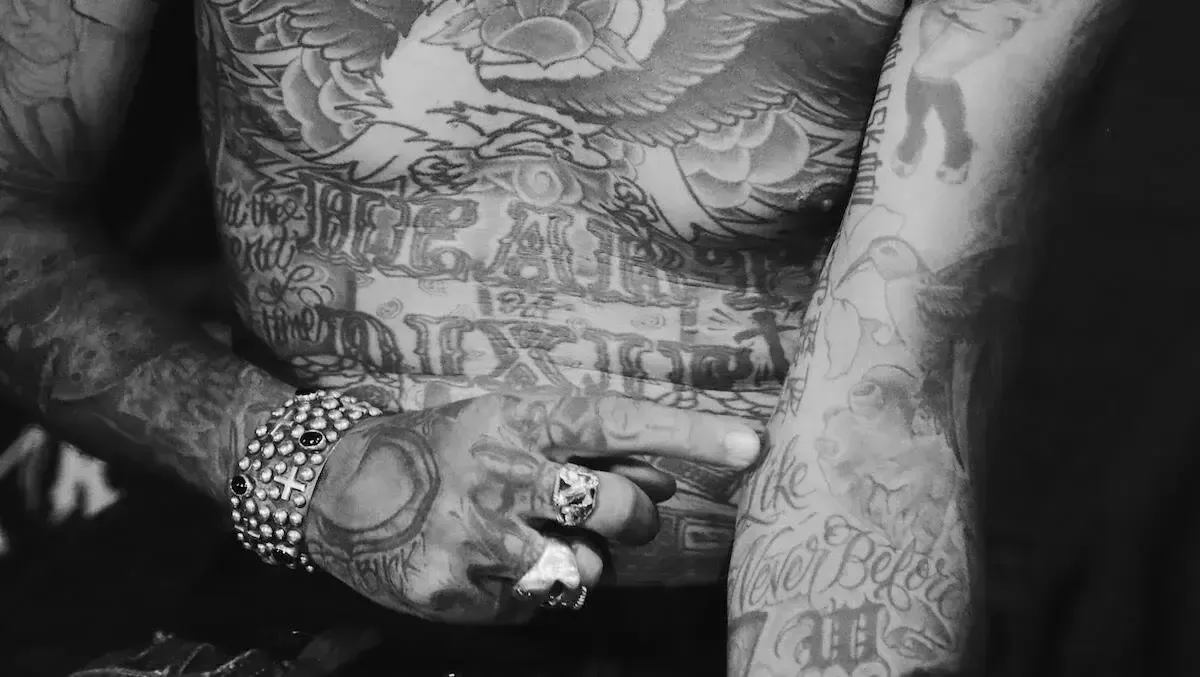
Most people who walk into a tattoo studio want their ink to look bolder, not softer. So "can you make a tattoo lighter?" is the reverse of the usual question, and it's a more interesting one than it first appears.
This is common not only among those who have had tattoos for a long time, but also among newly tattooed individuals. The intensely deep colour that clients notice when they first get a tattoo is not what the finished result actually looks like. The ink will usually appear a tiny bit lighter and less vibrant once healed, as the skin has regenerated.
The short answer is yes. The useful answer is that lightening isn't one thing, and it definitely isn't just stopping early on removal. Depending on what you're after, lightening a tattoo can mean rescuing a piece you love, preparing for a cover-up, or something in between. Each of those has a different finish line, and the finish line changes everything about how it's done.
Three Reasons People Lighten a Tattoo
It helps to know which camp you're in because the goal shapes the plan.
You want to keep the tattoo, just refine it. Maybe it healed darker than you expected, or a heavily shaded piece has gone muddy and lost its depth over the years. Lightening can bring contrast and dimension back to a tattoo you still want on your body.
You're preparing for a cover-up.
Here, the aim is to lighten the old ink enough that a new design isn't fighting it. That's a specific process worth understanding on its own, and we've covered it in depth in our guide to
fade-to-cover, with a dedicated
Fade-to-Cover service built around it.
You're softening a piece before deciding.
Some people lighten first and then decide whether to cover, keep, or go all the way to removal once they see how the tattoo responds.
Same tool, three very different targets. Now here's the one the internet tends to skip.
The Case Most Guides Miss: Lightening a Tattoo You Want to Keep
Search this question, and nearly every result assumes you want the tattoo gone or hidden. But one of the most useful things a laser can do is refine a tattoo you have no intention of losing.
Think of an old piece where the shading has blurred, or a design that was packed too densely from the start, so the background and foreground now read as one flat mass. Selective, zonal lightening can lift the heavier areas just enough to let the rest breathe. Background elements step back. Foreground detail comes forward. The tattoo gets its depth back without being redrawn.
This is refinement, not erasure, and it's a real option that too few people know exists. It also happens to be the hardest version of the job, which brings us to the point that actually matters.
Why Lightening is Precision Work, Not Mini-Removal
Here's the counterintuitive part. Lightening a tattoo you want to keep is, in some ways, more demanding than removing one outright.
With removal, the target is simple: zero. You keep going until the ink is gone. With lightening, you're aiming at a partial endpoint, and you have to stop there, evenly, across the whole treated area, without overshooting. There's no undo on a laser. Take a section too far, and you've crossed from "lighter" into "removed."
That's why lightening well takes two things: a laser precise enough to work in controlled increments, and an operator who thinks like a tattoo artist, not just a machine technician. At NIXX,
our technicians come from the tattoo world, so they read a piece the way an artist does: which areas to lift, which to protect, and where "just enough" actually sits for your goal. That judgment is the difference between a refined tattoo and an over-treated one.
How Lightening Actually Works
The method is in the same family as removal, aimed at a different endpoint. A
picosecond laser delivers ultra-fast pulses that shatter tattoo ink into particles small enough for your body to clear on its own over the following weeks. For lightening, we're simply working toward a controlled level of fade rather than complete clearance.
Different inks respond differently, which matters even more when the goal is an even, partial result. Black is usually the most cooperative. Blues and greens can need a different wavelength, which is why NIXX runs a dual-laser setup, PicoSure alongside
Hollywood Spectra, so we can match the tool to the colours in your tattoo instead of forcing one laser to do everything.
Lightening takes more than a single visit, and sessions are spaced roughly 8 to 12 weeks apart so your skin can recover, and your body can clear the fragmented ink between rounds. If you want the full picture on timing,
how many sessions removal and lightening take gets into what drives the number.
What Doesn't Work, and What Can Actually Harm You
The internet is full of shortcuts: fade creams, gels, DIY acids, and "natural" removal kits. Skip them. This isn't clinic marketing; it's a safety issue that a Canadian regulator has flagged directly.
Health Canada has warned that tattoo removal gels and creams are
linked to scarring and skin irritation, after receiving reports of adverse reactions. Many of these products work by trying to bleach the skin or draw ink to the surface, which is precisely the kind of uncontrolled damage you don't want on a tattoo you were hoping to improve. Separately, Health Canada has advised that unauthorized skin-lightening creams may
contain dangerous ingredients, sometimes including prescription-strength or banned substances not listed on the label. If you ever do consider a topical product, check the label for a Natural Product Number (NPN) or Drug Identification Number (DIN), which means it's authorized for sale in Canada.
The honest bottom line is that laser is the only method that can lighten a tattoo in a controlled, predictable way, which is why Health Canada frames laser as a medical procedure worth having done by
someone with proper training on a licensed device. Precision is the whole point of lightening, and creams have none.
What to Expect
Because lightening aims at a judgment call rather than zero, the plan really does start with a conversation about your target. What does "lighter" mean for this specific tattoo and this specific goal? How even does the result need to be? Is part of the piece staying exactly as it is?
Fading is gradual, and progress isn't always dramatic after a single session, so consistent photos tell you more than the day-to-day mirror check. A good provider tracks that and adjusts as your tattoo responds.
Book your free consultation at NIXX and let's talk about exactly how light you want to go. When you're ready.
Curious whether only part of your tattoo needs work? We get into that in "Can
you fix part of a tattoo?"
NIXX Laser Tattoo Removal is located in Vancouver, BC, and is connected to
Adrenaline Studios. Our technicians come from the tattoo industry and are laser-certified, so we understand both ink and skin. Laser treatment is not recommended during pregnancy or while breastfeeding, and some medications may require a test spot first; we'll cover all of this during your consultation.
Ready to NIXX Your Ink?
When you're ready to figure out what's possible for your piece, we'll assess the ink, talk through your goal, and map out a realistic plan. No pressure, and the consultation is free.
Recent Posts