Say Goodbye to Unwanted Ink with PicoSure Laser Tattoo Removal

Share this article

This article is Part 1 of a three-part NIXX guide to laser tattoo removal in Vancouver, BC. Here, we break down how PicoSure works and why it handles stubborn ink differently than older systems. Part 2 covers Hollywood Spectra, what it does best, and how we use it for personalized laser planning. Part 3 compares the two lasers to help you figure out which one suits your tattoo and skin.

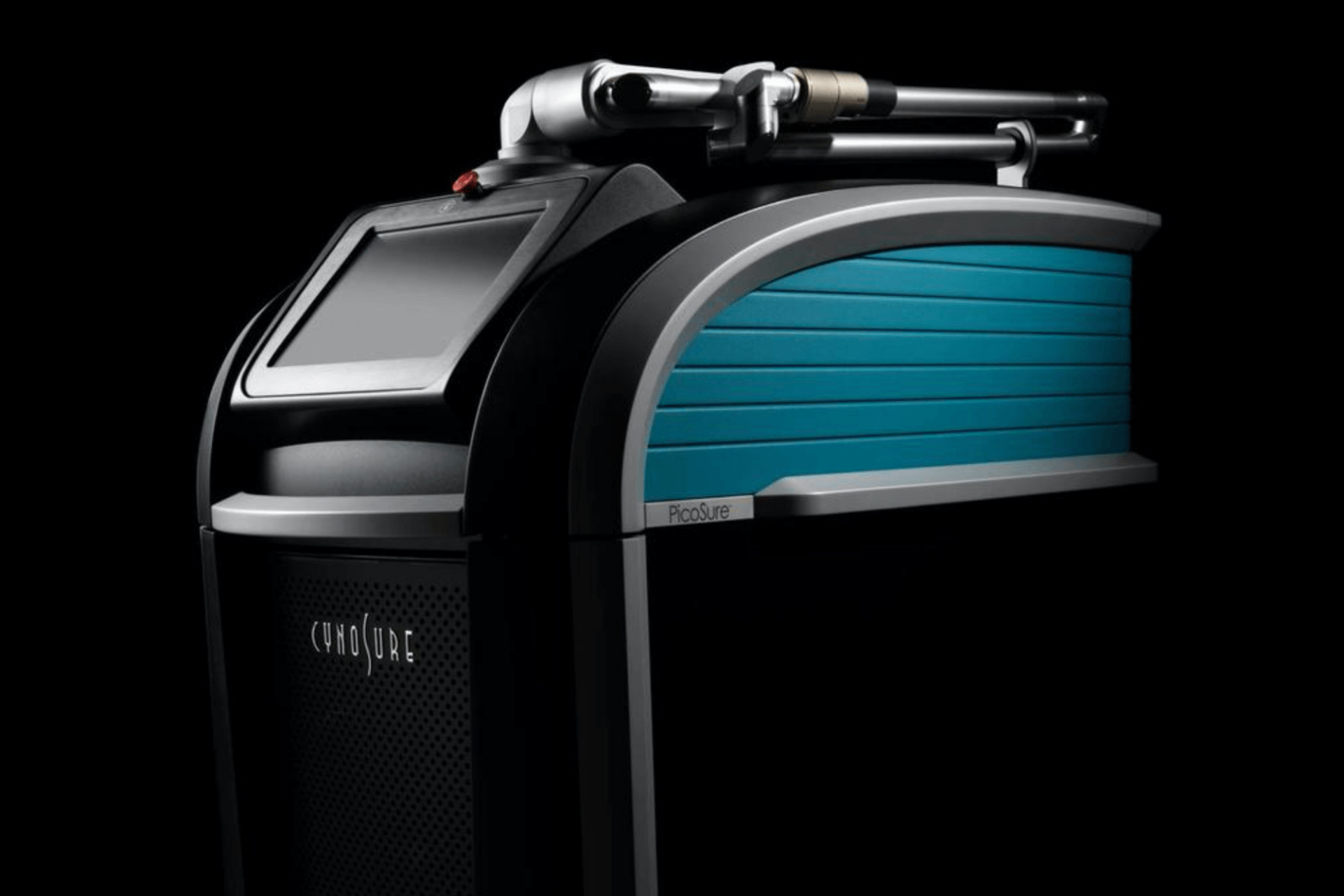
If you’ve looked into tattoo removal, you’ve probably noticed that clinics use different laser names and all promise the best results. But it’s difficult to find clear explanations about what these options mean for your tattoo and your skin. This article focuses on one system: PicoSure® by Cynosure Lutronic. We’ll cover what sets it apart on a technical level, and why that matters for how your tattoo fades, how many sessions you might need, and how your skin looks afterward.

The Problem With How Older Lasers Work

Traditional laser tattoo removal uses nanosecond pulses, which are bursts of energy that remain in the tissue long enough to generate significant heat. This heat breaks up the ink, but it also spreads out and can affect the skin around the tattoo, not just the pigment.


Older systems can eventually remove simple black ink on lighter skin. But this usually means more sessions, longer breaks between treatments, and a higher risk of changes in skin texture or pigment, especially for medium to deep skin tones or tattoos with dense, layered colours like green and blue.


For a long time, this was the tradeoff everyone accepted because there weren’t any other options.

What PicoSure Actually Does

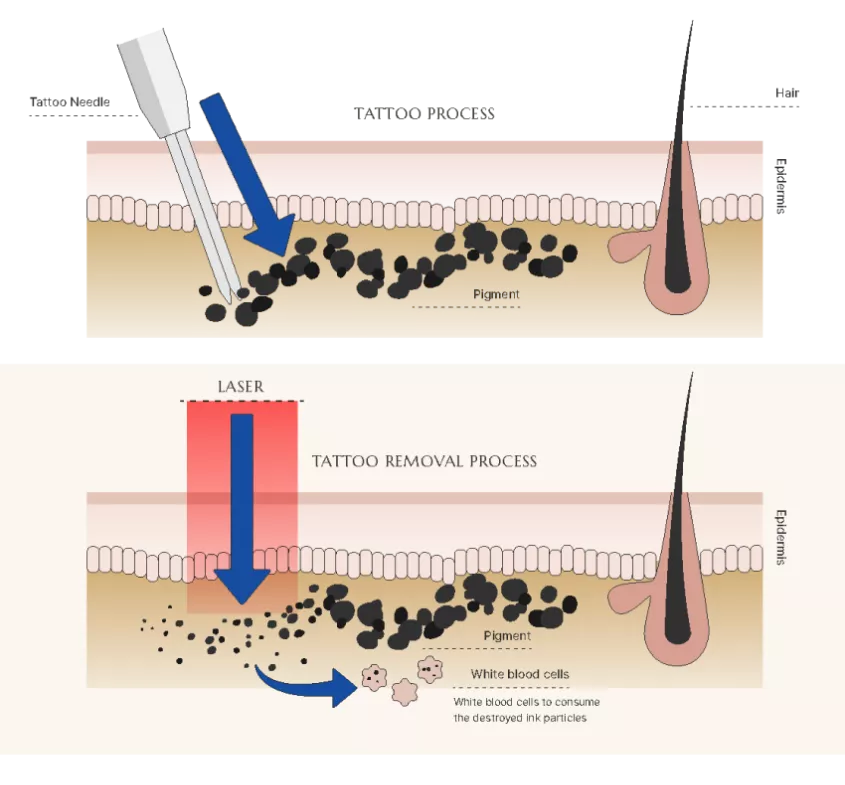
Side-by-side skin diagrams comparing tattooing process and laser tattoo removal process.

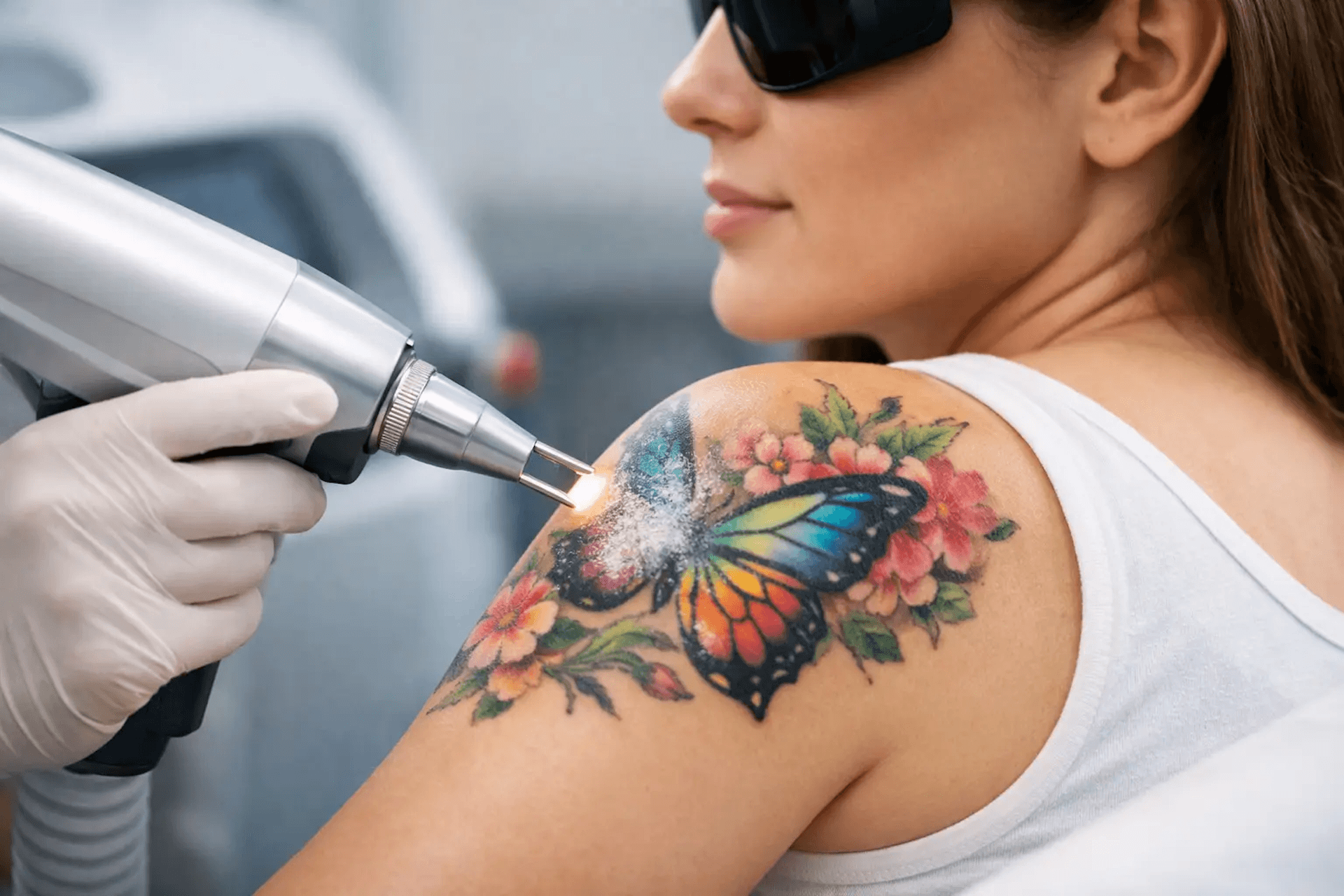
PicoSure was the first picosecond aesthetic laser in the world, and its main difference is how fast it works. It emits energy in pulses lasting just one trillionth of a second. For comparison, a nanosecond is one billionth of a second, so PicoSure is a thousand times faster.


At this speed, things work differently. Instead of relying mostly on heat, the laser creates a rapid pressure wave that physically breaks up the ink particles. The ink isn’t just warmed up: it’s actually hit and shattered.


This is relevant for two main reasons.


First, it creates smaller ink fragments. Your body removes tattoo ink through the lymphatic system, and smaller pieces are cleared away more easily. The photoacoustic method usually makes finer particles than heat-based lasers, so you’ll see more fading between sessions.


Second, there’s less extra heat. Because the pulse is so quick, the energy doesn’t spread much into the surrounding skin. This means the skin next to the ink gets less stressed by heat, and over several sessions, you’ll notice your skin looks and feels better.
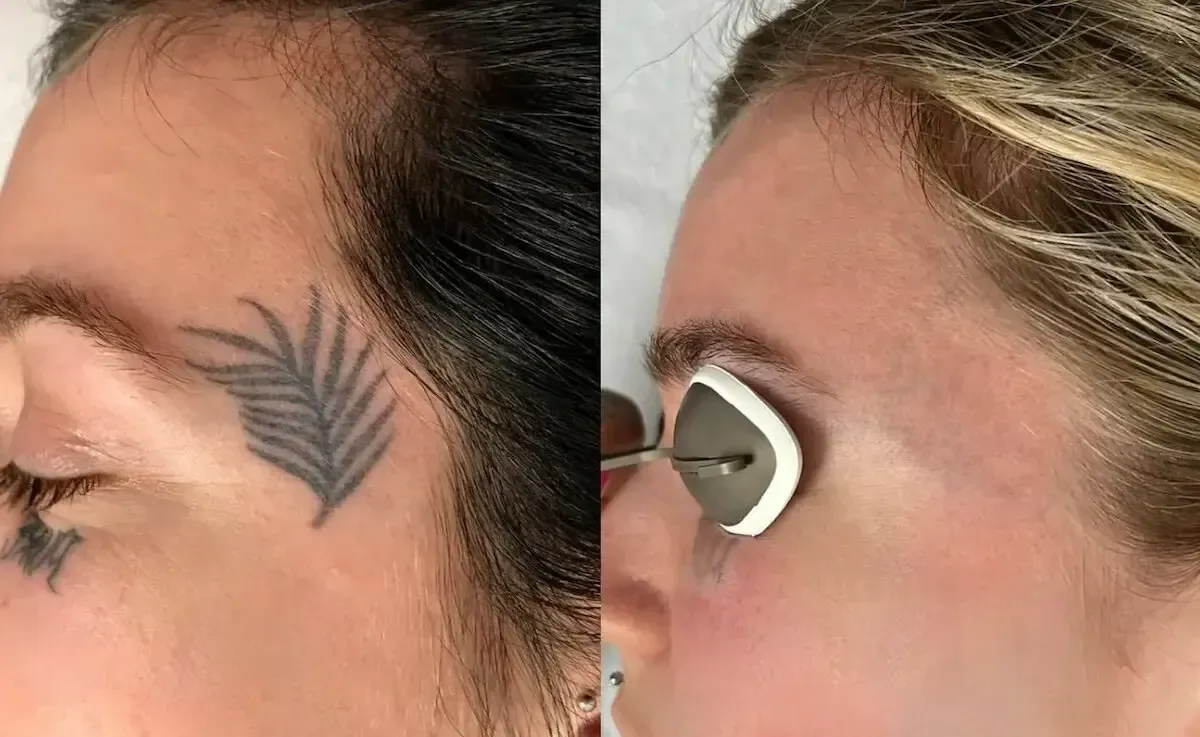
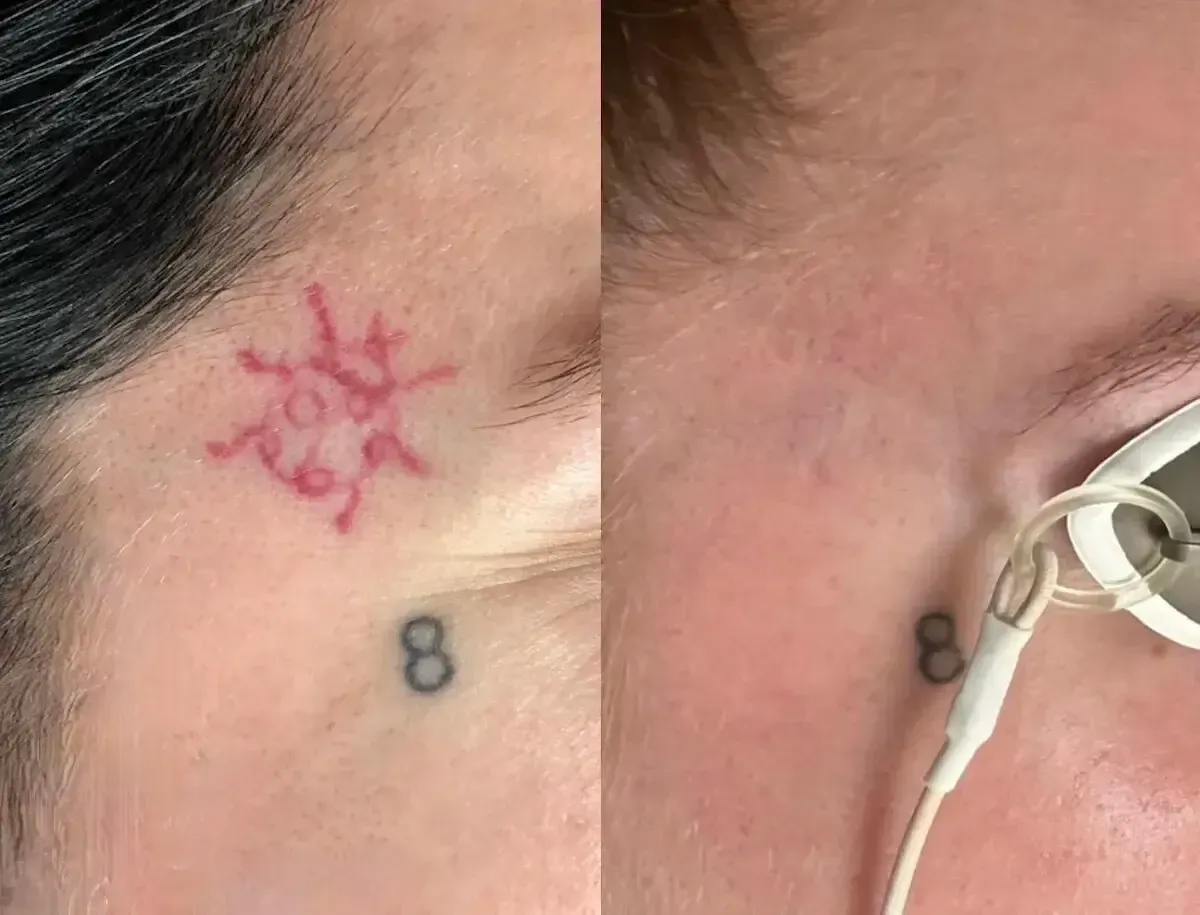
Three Wavelengths, One Reason: Your Ink Is Not All the Same

Different ink colours absorb different wavelengths of light. Some inks respond to one wavelength, but not another. That’s why a single-wavelength laser can remove black ink but struggle with green: it’s not about power, it’s about physics.


At NIXX, we use PicoSure’s two core wavelengths:


  • 755 nm — the primary wavelength, effective on black, blue, and green inks that sit deep in the skin.
  • 532 nm — suited to warmer pigments: certain reds, oranges, and yellows.


Together, these two wavelengths cover the majority of tattoo ink colours encountered in practice. For clients with deeper melanin-rich skin tones where 1064 nm becomes the safer choice, that wavelength is available through our Hollywood Spectra, which is part of why having both systems matters. Part 3 of this series covers how we decide which laser, or combination of lasers, fits your tattoo and skin tone.


In reality, the wavelength isn’t chosen just once for the whole tattoo. It’s picked for each section and colour, based on how your skin responds. This isn’t a sales tactic. It’s simply how science works, and why a proper in-person assessment changes what's possible.


The colour-specific claims here aren't just technical theory. Peer-reviewed research published in journals including the Archives of Dermatology and Lasers in Surgery and Medicine has documented PicoSure's clearance of blue, green, and yellow inks: colours that older lasers often can’t remove. PicoSure has been the subject of over 26 published clinical studies, which is more documented validation than most laser systems in this space can claim.

What PicoSure Gives a Technician to Work With

The short pulse is the key feature, but what really matters is the control PicoSure gives during each session.


Variable spot sizes let the technician work precisely: tighter on small, detailed areas, wider on larger fields,  without over-treating skin that's already been hit in a previous pass. Adjustable fluence settings mean the energy level can be pushed on dense, stubborn ink or dialled back where the skin needs more cautious handling. For ink that resists standard settings entirely, PicoSure includes a boost mode that further shortens the pulse width, applying more concentrated force to recalcitrant pigment without simply cranking up the heat. Wavelength flexibility means the right option for each pigment can be selected mid-session rather than locked in at the start.


All this technology only works if the person using it knows what they’re doing. A powerful laser in the wrong hands won’t give better results: it can actually cause more skin damage. The equipment sets the limit, but the technician decides what results you get.

Why the Technician's Background Changes the Equation

At NIXX, our technicians understand both tattooing and removal. This isn’t just a marketing pitch: it really changes how we make decisions during your session.


Knowing how an artist packs colour into a specific area, how cover-up ink layers over existing work, and how ink behaves differently over scar tissue or stretch marks affects fluence settings, spot size choices, and how aggressively or conservatively a pass should be made. But it goes further than application technique.


Understanding how pigments are formulated — what colour ingredients are likely in a given ink, how certain pigment combinations behave under laser energy, and how the composition of a colour can affect its resistance to treatment — is knowledge that comes from working with ink professionally, not just removing it. The same is true for ink depth. A tattoo applied by machine typically sits at a consistent depth in the dermis. Hand-poked work, on the other hand, often has greater depth variation within the same piece, which changes how the laser energy needs to be delivered to reach all of it effectively.


A technician who has only ever done removal is working with less information than one who also understands how the ink got there in the first place.


That's especially relevant for anyone planning a cover-up. The goal isn't always "remove everything." Sometimes it's "fade this area strategically so the new artist has something to work with." Those are different technical objectives, and they call for different session planning.

What PicoSure Handles Well and Where It Has Limits

PicoSure works well on a wide range of colours, including greens and blues that older lasers commonly struggle with. It’s effective on dense professional tattoos and complex, layered designs. It can handle multicoloured tattoos without requiring multiple machines.


But it’s important to remember that PicoSure isn’t magic. Some pigments are harder to remove with any system. Certain skin tones need more delicate treatment and longer breaks between sessions. Some tattoos, especially layered cover-ups or those with tough industrial pigments, just take longer.


PicoSure offers skilled technicians options such as shorter pulses, flexible wavelengths, and pressure-focused removal. These technologies are effective only when the technician truly understands your tattoo, your skin, and your goals.

The Honest Version of "How Long Will This Take?"

Most people need between 6 and 12 sessions for full removal. This range is real, and it’s wide because everyone’s body clears ink at a different rate between sessions.


Factors like your circulation, lymphatic system, whether you smoke, the age of your tattoo, and how dense it is all play a role. These factors often affect your timeline more than the laser itself. Two people with similar-looking tattoos can have very different results, and that’s just how biology works.


The consultation helps narrow down that range based on your actual tattoo. You’ll get a realistic estimate of sessions, a clear price breakdown, and a plan that fits your tattoo and your goal: whether that’s full removal, fading for a cover-up, or merely treating one part of a larger piece.

Why NIXX Chooses PicoSure For Tattoo Removal

At NIXX, we choose equipment based on how well it serves our clients who want clear, healthy skin, not just a lighter tattoo on paper. PicoSure gives us:


  • Strong performance on dense professional ink and layered work.
  • Session planning that respects your schedule by aiming for efficient fading between visits.
  • Careful adaptability for a wide range of skin tones and placements, from visible areas to more private zones.


When you book a consult, we do not just say that PicoSure is “the best.” We walk you through how it compares to other options for your specific tattoo, your skin, and your next step, whether that is complete removal or making space for a design you are actually excited to wear.

What Comes Next?

If you want honest advice about whether PicoSure is right for your tattoo, that’s precisely what our free consultation is for. We’ll look at your tattoo in person, give you our honest opinion, and create a plan that fits your skin and your timeline.

Recent Posts

A collage showing a person, a closeup of a fern leaf tattoo near an eyebrow, and a person undergoing laser  treatment.
March 23, 2026
Considering eyebrow tattoo removal in Vancouver, BC? Learn how laser treatments safely fade or remove cosmetic tattoos with precision and care.
Woman with grey-blue hair looking over man's shoulder. Man has face tattoos, gauges. Soft focus, indoor setting.
March 13, 2026
Did a tattoo ruin your relationship? Learn your options, from laser tattoo removal to cover-ups, and how to move forward with confidence.
Close-up of tattooed fingers holding a smartphone in a dimly lit setting.
March 6, 2026
Considering finger tattoo removal in Vancouver, BC? Learn how laser treatments safely fade or remove finger tattoos and what to expect from each session.
Show more →