Tattoo Ruined by Stretch Marks? Here’s What You Can Do Next

Share this article

Stretch marks (clinically known as striae) are a term used to describe indented streaks or lines that appear on the epidermis after being stretched beyond its natural capacity. While they are technically indented, they may appear to be raised, at least in the initial stages of development.

The surface phenomenon is caused by any one of the following:


  • Weight gain due to pregnancy.
  • Weight gain due to lifestyle changes (poor nutrition and lack of exercise).
  • Weight gain due to a medical issue (relating to the thyroid, etc.).
  • Relatively quick weight gain and muscle growth from bodybuilding.
  • Sudden growth spurts in late adolescence.
  • Genetics, as some people are predisposed to developing stretch marks later in life.
  • Medical conditions, such as Cushing's syndrome and Marfan syndrome, can compromise skin elasticity and subsequently increase the risk of stretch marks.


Healthline reports that approximately 80-90% of women and 50-70% of men experience stretch marks at some point in their lives. Given how common they are, there is an industry devoted to treating stretch marks. Treatments include laser therapy, micro-needling, and certain topical creams. They generally help reduce the visibility of stretch marks by stimulating collagen production and improving skin texture.


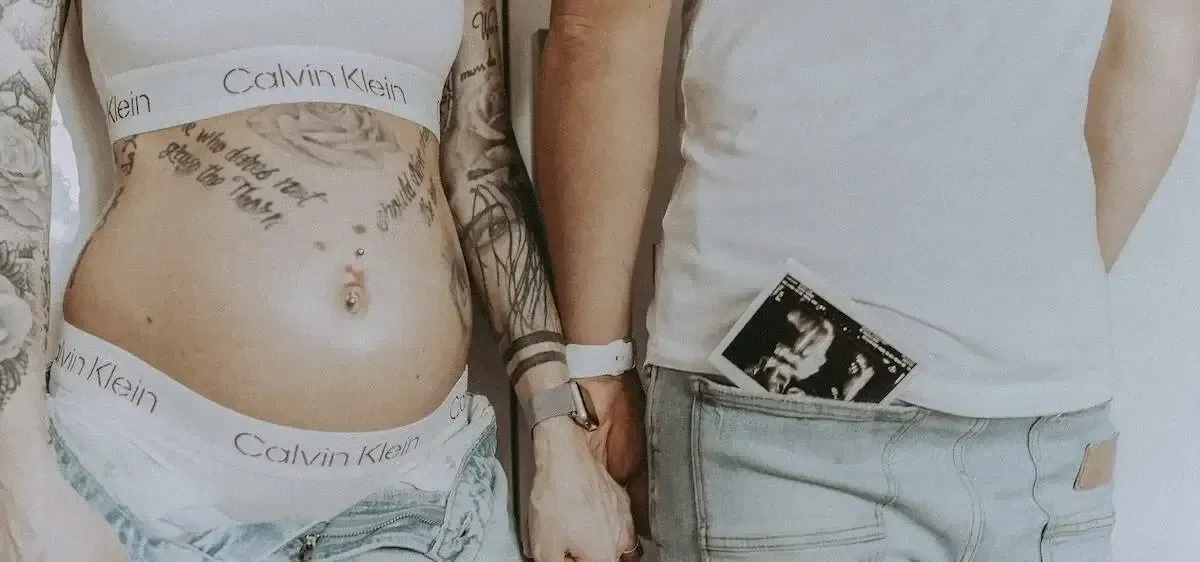
Despite some recourse, little can be done to undo the damage that may occur when stretch marks appear after a tattoo. Tattoo zones most impacted by stretch marks include the abdomen, breasts, hips, thighs, buttocks, lower back, and even upper arms. Stretch marks can affect a tattoo's appearance by distorting or blurring its lines and designs, which is likely what you have experienced and why you are here. While a highly skilled tattooist may be able to correct some of the damage, there are many cases where it cannot be done to the client's satisfaction.


So what is one to do for a tattoo ruined by stretch marks?
How Laser Tattoo Removal Provides an Effective Solution for a Tattoo Ruined by Stretch Marks

Complete Removal of the Tattoo

Premium-quality laser treatment applied by an expert technician will completely remove the distorted and/or blurred tattoo. This can free you up to proceed with the above-mentioned stretch mark treatments, if desired, or leave the canvas clean (stretch marks aside).

Fading for Cover Up

Often, the old tattoo can be “salvaged” if the ink is faded enough to address the blurred or distorted portion/s so that a skilled tattooist can redo certain sections of the tattoo. Alternatively, fading can be applied to lighten the design enough that a skilled tattooist can apply an entirely new design over the stretch marks. They may even leverage the indents and discolouration to work with the new design. View more on laser fading for cover-up.

Book a Free Laser Tattoo Removal Consultation at NIXX

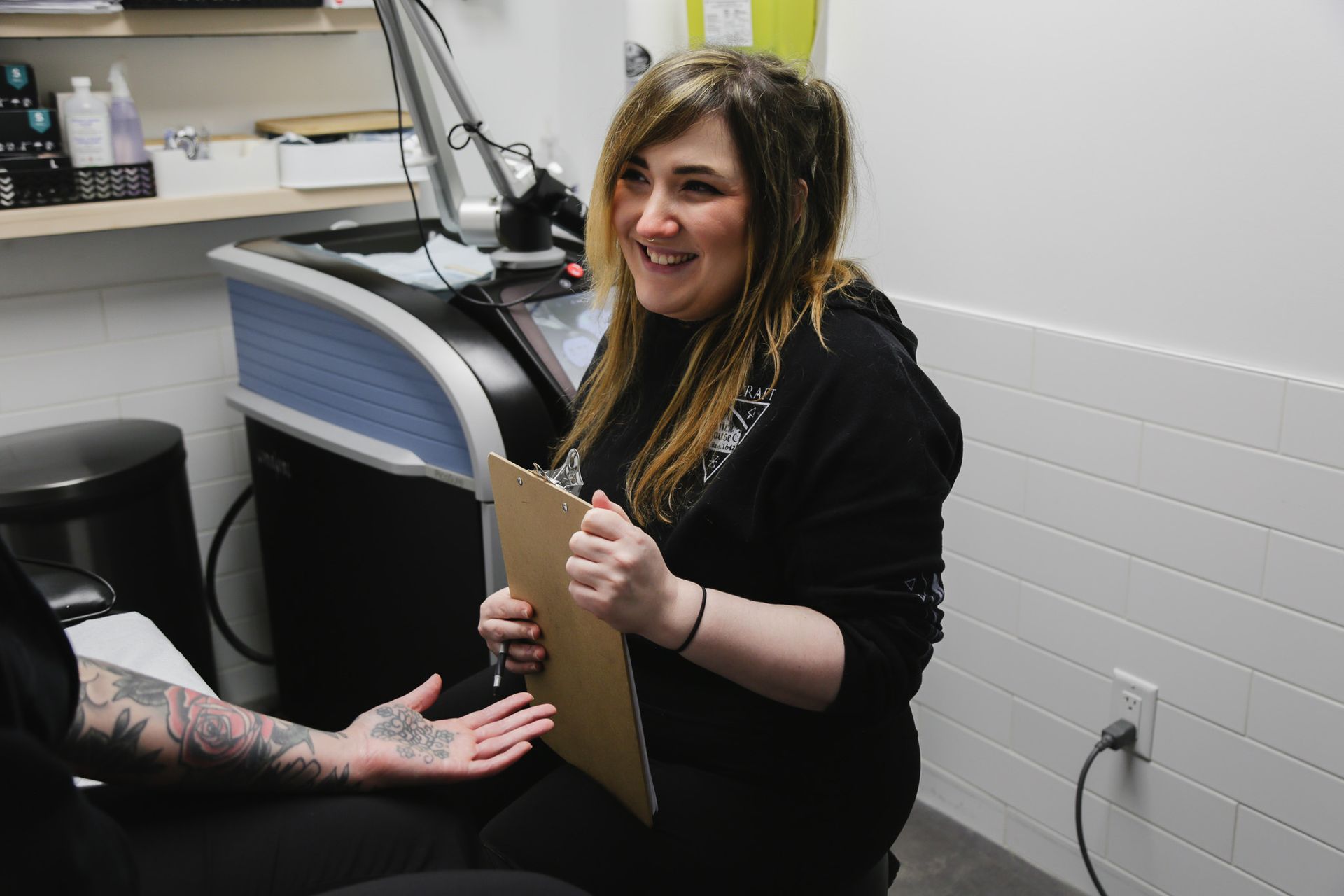
If you live in the Greater Vancouver area or can visit regularly for multiple sessions, a consultation is the best first step. At our West 4th Avenue studio, we:


  • Evaluate the stretch marks and tattoo condition
  • Recommend full removal or fade-to-cover
  • Explain realistic timelines
  • Customize treatment using advanced dual-laser systems


If your tattoo has been altered by stretch marks, and you’re ready to explore your options, schedule a free, no-commitment consultation. We’ll assess your skin, your ink, and your goals and help you create a plan that restores confidence and clarity to your next chapter.

Recent Posts

February 26, 2026
This question indicates one of two scenarios. The first applies to those who fully intended to get a tattoo, booked an appointment, consulted a tattooist, agreed upon a design, got the tattoo, and ended up with one that did not match what they wanted at all. If this is you, we feel your pain. There are some questionable tattoo shops and artists out there. It’s unfortunate that they didn’t take the time to properly grasp what you wanted, nor to show you the progress in a mirror to ensure the design was on track with what you envisioned.
February 26, 2026
Everyone knows you must wait at least 3 months before swimming after getting a tattoo. It’s required to protect the integrity of the work. But what about when you’re getting a tattoo removed?
February 26, 2026
Almost everyone understands that you must wait at least three months to openly expose a new tattoo to the big yellow/orange ball in the sky. And even then, a minimum SPF30 is required to keep it covered, not just in the months leading up to it, but for the remainder of one's life if one truly wants to protect the integrity of their body art.
Show more →